THC VAPE JUICE VS CANNABIS FLOWER A SIDE-BY-SIDE COMPARISON THC VAPE JUICE VS CANNABIS FLOWER A SIDE-BY-SIDE COMPARISON 

A Shift in Consumption 

The consumption of cannabis has taken many forms over the centuries, from primitive pipes to modern vaporizers. While the traditional method of smoking dried cannabis flowers remains popular, THC vape juice is steadily gaining ground. Both offer unique experiences, effects, and advantages, but how do they compare? This article dives into a side-by-side comparison of THC vape juice and cannabis flower, dissecting their differences and similarities. 

Understanding the Basics 

Before diving into the comparisons, it’s crucial to understand what each term refers to: 

Cannabis Flower: The most traditional form of cannabis, cannabis flower refers to the dried buds of the plant that are often smoked or vaporized. These flowers contain various cannabinoids, including THC (the compound responsible for the psychoactive effects of cannabis). 

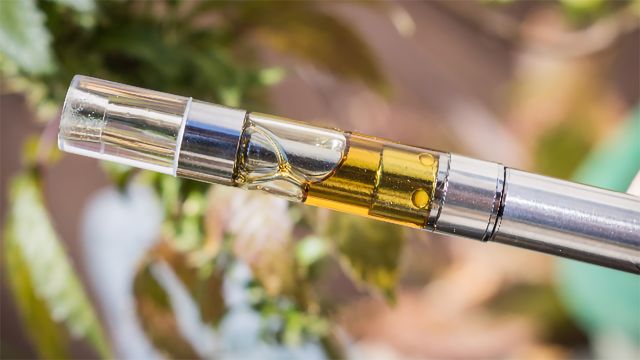
THC Vape Juice: Also known as e-liquid or vape oil, this is a concentrated form of THC that’s heated and inhaled through a vape device. It offers a highly potent dose of THC, typically higher than found in dried flowers. 

Effects and Potency 

The most noticeable difference between cannabis flower and THC vape juice is potency. As a concentrated form of THC, vape juice is significantly more potent than flowers. This means less product is needed to achieve the desired effects, making vape juice a cost-effective choice for regular users. 

However, the increased potency also means that vaping can be more intense than smoking flowers, especially for novice users. When transitioning from flower to vape juice, it’s crucial to start with small doses and gradually increase as your tolerance builds. 

Health Considerations 

While both smoking and vaping involve inhaling substances into your lungs, the two methods have different health implications. Smoking cannabis flowers involves combustion, which can release harmful toxins and carcinogens. On the other hand, vaping heats THC vape juice to a lower temperature, reducing the number of toxic byproducts. 

However, not all vape products are created equal. It’s vital to purchase vape juice from reputable sources to avoid products that may contain harmful additives. 

Convenience and Discretion 

One of the significant advantages of THC vape juice over cannabis flower is the level of discretion it offers. Vaping produces less odour than smoking, allowing users to consume cannabis more discreetly. Additionally, vape devices are portable and easy to use, making them convenient for on-the-go use. 

Taste and Experience 

The taste and overall experience of consuming cannabis flower and THC vape juice differ significantly. Many users appreciate the diverse flavours and aromas of different cannabis strains, which can be lost when making THC vape juice. On the other hand, vape juice can be infused with various flavours, offering a unique tasting experience. 

Conclusion: Choose Your Adventure 

The choice between THC vape juice and cannabis flower ultimately depends on personal preference. Vaping might be your best bet if you value potency, discretion, and convenience. However, if you appreciate the ritual of smoking and the natural taste and aroma of cannabis, sticking with flowers could be the way to go. Either way, sourcing your products from reputable vendors and consuming them responsibly is essential. Happy exploring! 
UNDERSTANDING THE DIFFERENCES BETWEEN MAGIC MUSHROOMS AND LSD A COMPREHENSIVE GUIDE UNDERSTANDING THE DIFFERENCES BETWEEN MAGIC MUSHROOMS AND LSD A COMPREHENSIVE GUIDE 

Magic mushrooms and LSD (lysergic acid diethylamide) are two of the most well-known psychedelic substances. Although they both have a long history of use and share many similarities, including their potential to induce profound alterations of consciousness and perception, they also have significant differences. This article aims to shed light on these differences to help individuals make informed decisions about their use.

Historical and Cultural Context

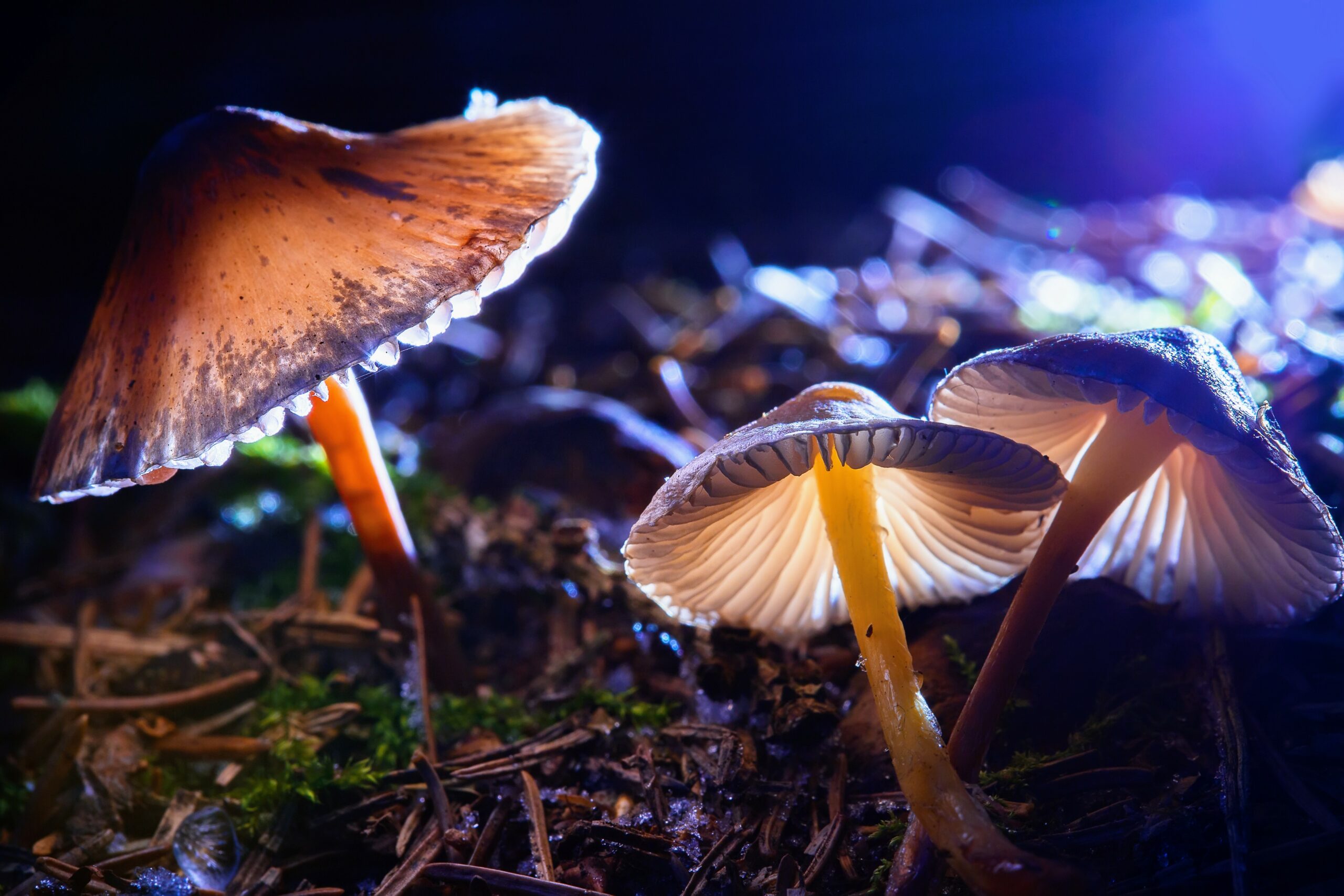
Magic mushrooms (Psilocybe spp.) have been used for centuries in many cultures for their psychedelic effects. They were often used in spiritual and healing rituals. Psilocybin, the active compound in magic mushrooms, was isolated in the 1950s by Albert Hofmann, the Swiss chemist who synthesized LSD.

LSD, on the other hand, doesn’t have an extended historical or cultural use. Its psychedelic properties were discovered in 1943 by Hofmann, years after he first synthesized it in 1938. LSD quickly gained a reputation as a powerful consciousness-altering drug and became a central part of the 1960s counterculture.

Chemical Structure and Administration

Psilocybin and LSD are chemically different. Psilocybin is a naturally occurring compound found in over 200 species of mushrooms, while LSD is a semi-synthetic compound derived from ergot, a fungus that grows on rye.

These differences also extend to their administration. Psilocybin is typically consumed orally by eating dried magic mushrooms or brewing them into tea. In contrast, LSD is generally ingested orally as blotter, liquid, or gel tabs.

Effects and Duration

Both magic mushrooms and LSD alter perception and cognitive processes, but the subjective experiences they induce can be different.

Magic mushroom trips often feel more organic and earthy and are frequently described as more emotional and introspective Best Shroom Delivery in Canada. The effects of psilocybin typically begin within 20 to 40 minutes of consumption and last between 4 to 6 hours.

On the other hand, LSD trips are often described as more intense, abstract, and analytical. The effects of LSD begin within 30 to 90 minutes after consumption, and a typical trip lasts between 8 to 12 hours, considerably longer than a magic mushroom trip.

Therapeutic Potential

Both magic mushrooms and LSD have shown promising results in clinical trials for various mental health conditions.

Research suggests psilocybin-assisted therapy can effectively treat depression, end-of-life anxiety, and substance use disorders. LSD has also been studied for its potential to treat mental health disorders, with early research suggesting it could be beneficial in psychotherapy settings.

Safety and Legality

Both psilocybin and LSD are classified as Schedule I substances under the United Nations 1971 Convention on Psychotropic Substances, meaning they are currently illegal in many countries and are thought to have a high potential for abuse and no medical value.

However, the safety profile of both substances is relatively high, especially compared to other recreational drugs. They are non-addictive, and overdoses leading to death are virtually unheard of. However, they can produce challenging psychological experiences and should be used responsibly, ideally under the supervision of a knowledgeable guide or in a controlled setting.

Conclusion

While magic mushrooms and LSD share many similarities, they also have significant differences in their history, effects, and the experience they provide. As research progresses, we are likely to learn much more about the unique properties of these fascinating substances and their potential therapeutic applications.